A Saree is a dress most coveted by women from thousands of years. For the uninitiated, saree is a long rectangular cloth which is artistically designed and then artistically draped. Generally this is 5 to 6 meter long, but can extend up to 9 meters in certain traditions like Nauvari Saree. This is a traditional, as well as very scientific garment choice for Indian Subcontinent, that is India, Sri Lanka, Nepal, Bangladesh, Burma, Pakistan, Bhutan etc. Also loved by women of Russian union nations. Several Russians, here in Vrindavan, we see them happily enjoying wearing a saree on daily basis. They also love to get wedded in a saree in the Vedic tradition.
Why do women still wear a Saree, whereas the the most men have quitted wearing a dhoti, a traditional indian dress? Women feel most beautiful in a Saree. No other garment can match the beauty and sartorial grace of a saree. This is equally loved by women of all ages and all walks of life. The first choice of a teenage girl to wear at her school farewell function is a Saree, symbolizing they are grown-ups now. Grand Maa’s love saree as they feel most graceful in it. From fashion models to actresses, schoolteachers to IAS officers, Rural women to a Metropolitan one, if any garment, that is common and equally loved by them, that is Saree. Probably its open and simple form and easy customizability make it so versatile among so diverse sections of the society. When we were growing up, then we used to see the women we love the most, in a Saree, that is our mothers and grandmothers. Even the news anchors and the then Prime Minister used to wear a saree. It’s a go to garment for all women in India to attend a wedding function.
In Vedic wisdom, our navel is connected to the Sun, and this is also responsible for the temperature regulation of our body. A good garment should not be covering the navel very tightly. When this is kept open, the body feels warm in winter and cool in summers. The Vedic costume for both men and women used to be a saree or a dhoti, which is tied just below the navel or at the navel line. Vedic pandits wear a dhoti at the Poojas. Also, the energy of an uncut garment is better than a garment which is cut and stitched. May be one of the reasons, the spiritual practitioners prefer Saree or Dhoti. Many of us might have felt it also. One feels more balanced, energetic and positive, while wearing a Saree.
Choice of the fabric is also important. The more natural, the better. Cotton is serving as the most natural choice for a garment from eons, mostly for its nice feel and touch, comfort, easy care and durability. In contrast, when we wrap ourselves with a synthetic garment, it disturbs our energy.
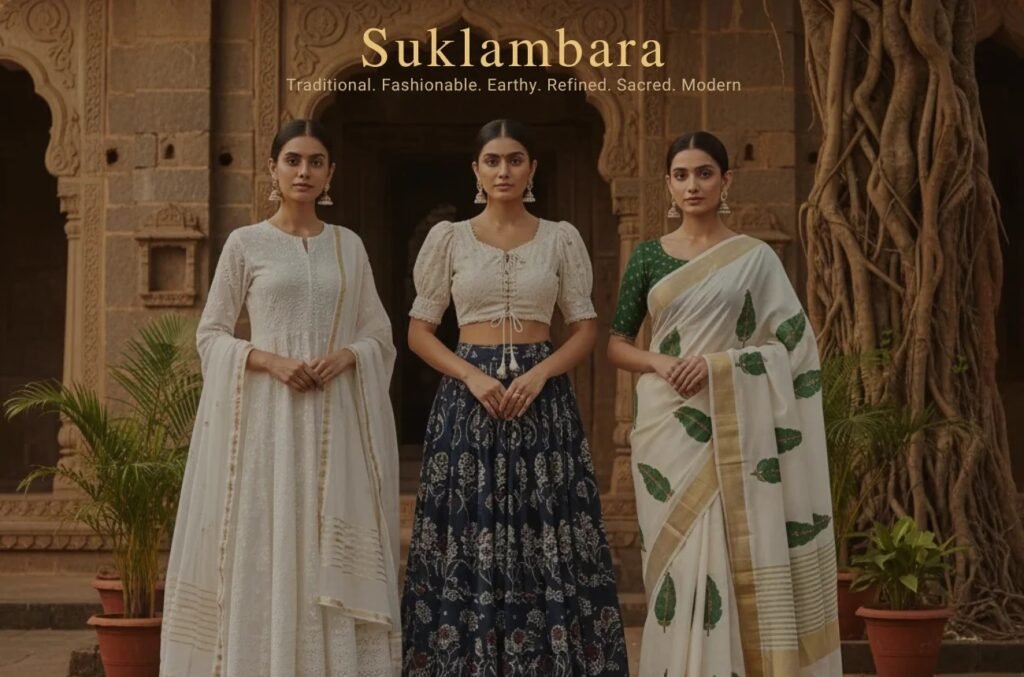
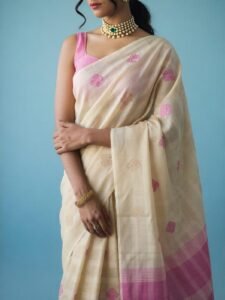
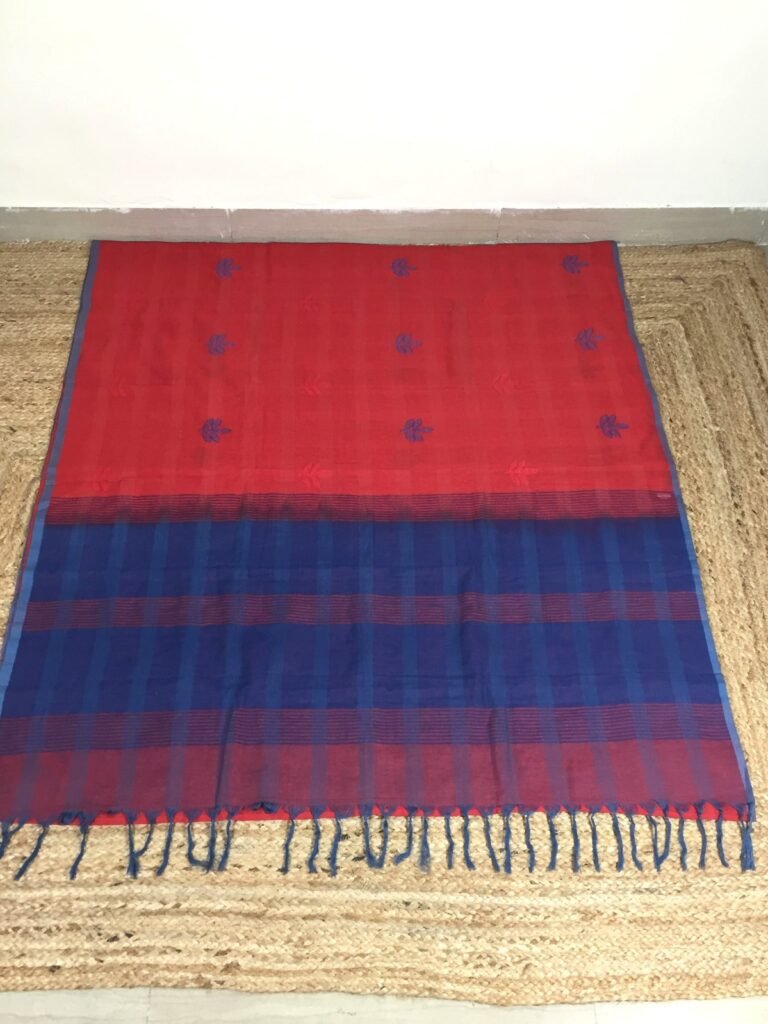
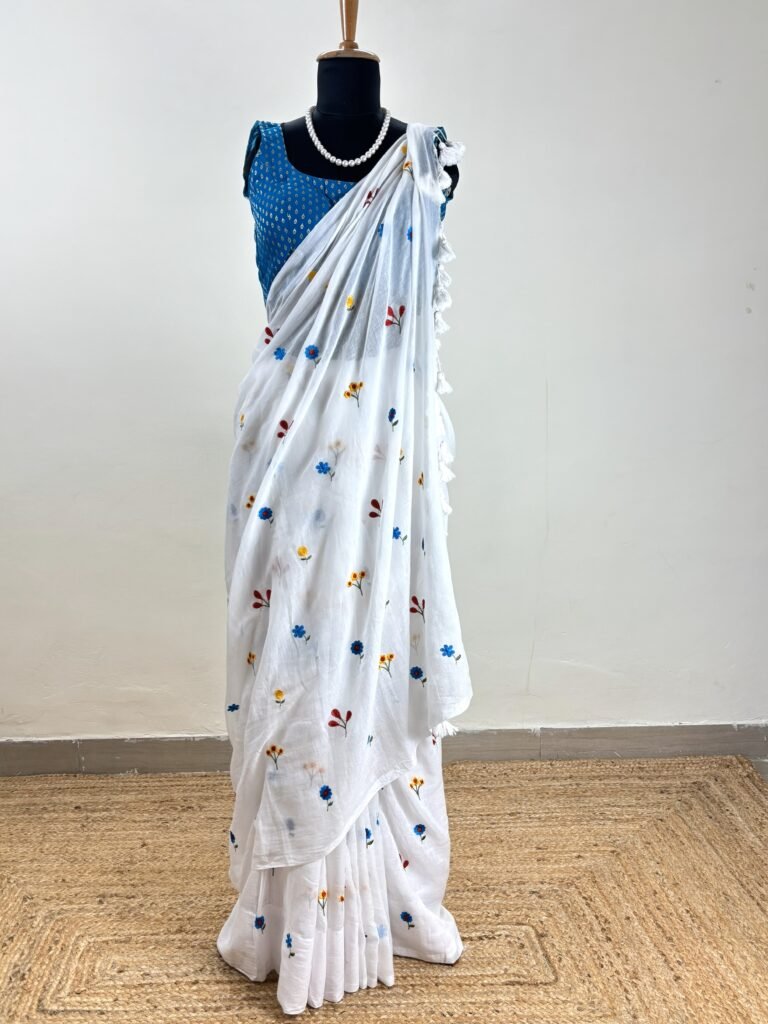
What is your experience of wearing a Saree, please share with us in comments. We at Suklambhara has brought to you a choicest range of designer sarees from all over India, that you would like to cherish in your special moments.